

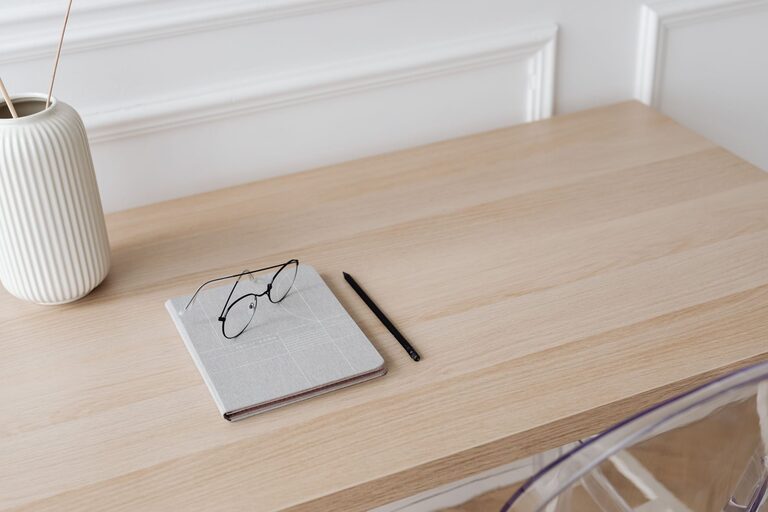
Creating a relaxing home workspace is essential for anyone who spends a significant amount of time working from home. A calm and comfortable environment can improve focus, reduce stress, and increase overall productivity. Whether you have a dedicated room or just a small corner, designing a space that feels inviting and peaceful is achievable with some thoughtful planning.
In this post, we’ll explore practical tips and ideas to help you create a relaxing home workspace tailored to your needs.
Why a Relaxing Workspace Matters
Your workspace directly impacts how you feel and perform during work hours. A cluttered or noisy area can lead to distractions and frustration. On the other hand, a well-organized and soothing environment promotes concentration and creativity.
By creating a relaxing workspace, you can:
– Improve focus and work efficiency
– Reduce feelings of stress and overwhelm
– Enhance motivation and job satisfaction
– Maintain a healthy work-life balance
Choosing the Right Location
Find a Quiet Spot
Select a space with minimal distractions. Ideally, choose a room or corner away from household traffic, noisy appliances, or TV sounds. The quieter the environment, the easier it is to concentrate.
Consider Natural Light
Natural light can improve mood and energy levels. Position your desk near a window to take advantage of daylight. If natural light is limited, opt for soft, warm artificial lighting to reduce eye strain and create a cozy atmosphere.
Setting Up Your Workspace
Comfortable Seating
Invest in a comfortable chair that supports good posture. An ergonomic chair helps prevent back and neck pain, which is important for maintaining comfort during long work sessions.
Desk Arrangement
Choose a desk with enough surface area to accommodate your computer, notebook, and other essentials. Keep frequently used items within easy reach to avoid unnecessary movement.
Declutter and Organize
A tidy workspace reduces distractions and creates a sense of calm. Use organizers, shelves, or drawers to keep supplies neat. Regularly clear away unnecessary papers and items.
Creating a Soothing Atmosphere
Use Calming Colors
Colors influence mood. Soft, neutral tones like light blue, green, beige, or pastel shades tend to be calming and help reduce anxiety. Avoid overly bright or harsh colors that may be distracting.
Add Greenery
Plants not only improve air quality but also bring a touch of nature indoors. Small potted plants or succulents can make your workspace feel more inviting and relaxing.
Personal Touches
Incorporate items that make you happy or inspired. This might include artwork, photos, or decorative objects. However, keep it minimal to avoid clutter.
Incorporate Soft Lighting
Beyond natural light, use desk lamps or string lights with warm bulbs to create a gentle glow. Adjustable lighting allows you to set the mood according to the time of day.
Minimizing Distractions
Manage Noise
If external noise is an issue, consider using noise-cancelling headphones or white noise machines. Background sounds like soft instrumental music can also help maintain focus.
Set Boundaries
Communicate your work hours to household members to reduce interruptions. Use room dividers or curtains if you share space with others.
Taking Care of Ergonomics and Wellness
Monitor Placement
Position your computer screen at eye level to avoid neck strain. The top of the monitor should be at or slightly below eye height, about an arm’s length away.
Regular Breaks
Incorporate short breaks every hour to stretch, move around, and rest your eyes. This practice helps prevent fatigue and maintains productivity.
Keep Hydrated and Nourished
Place a water bottle or cup nearby and remember to drink regularly. Healthy snacks within reach can keep your energy up without causing distraction.
Technology and Tools
Use Reliable Equipment
A fast and dependable internet connection, a good-quality keyboard and mouse, and functional devices reduce frustration and downtime.
Cable Management
Tidy cables with clips or sleeves to keep your workspace neat and prevent tangled wires.
Maintaining Your Workspace
Daily Tidying
Spend a few minutes at the end of each day organizing your desk. This helps you start fresh the next morning.
Seasonal Refresh
Periodically reassess your workspace. Remove items you no longer need and add new elements to keep the area fresh and motivating.
—
Creating a relaxing home workspace doesn’t require a big budget or a large area. By focusing on comfort, organization, and a calming atmosphere, you can design a space that supports your work and well-being. Experiment with these tips to find what works best for you and enjoy a more productive and stress-free home office experience.