

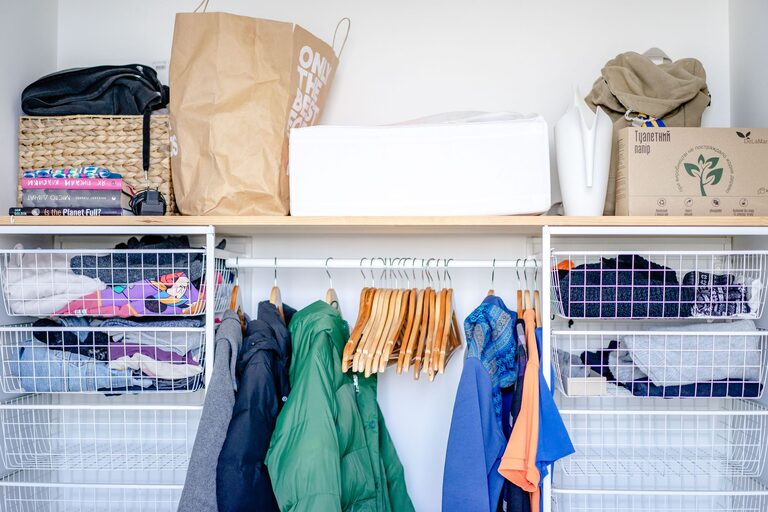
Storing seasonal clothes efficiently can make a big difference in keeping your home organized and your wardrobe in great shape. Whether you’re packing away winter coats or summer dresses, the key is to maintain your clothes well and save space. This post will guide you through practical, easy-to-follow steps to store your seasonal clothes, ensuring they stay fresh and accessible when you need them again.
Why Efficient Seasonal Storage Matters
When the seasons change, our wardrobes go through a transformation. Pulling out heavy sweaters in spring or packing away lightweight shirts in autumn often leads to clutter and disorganization. Proper storage helps:
– Preserve your clothes’ quality
– Maximize space at home
– Make it easier to find items later
– Keep your closet tidy year-round
Preparing Clothes for Storage
Before storing, preparation is crucial for maintaining your clothes over time.
Clean Your Clothes Thoroughly
Dirt, sweat, and stains can attract pests and cause odors. Always wash or dry clean your garments before storage. Make sure they are completely dry to prevent mold or mildew growth.
Repair and Inspect
Check for missing buttons, loose threads, or small tears and mend them. This prevents damage from worsening while clothes are stored.
Sort and Declutter
Decide which items to keep and which to donate or recycle. Storing only what you need saves space and simplifies your wardrobe.
Choosing the Right Storage Containers
Not all containers are created equal when it comes to seasonal clothing storage.
Use Breathable Fabric Bags
Fabric storage bags or garment bags made from breathable materials are ideal for delicate or natural fabrics. They allow air circulation and help avoid moisture buildup.
Opt for Plastic Bins with Tight-Fitting Lids
Clear plastic bins offer protection against pests and dust. They are stackable and let you see what’s inside without opening. Choose bins with airtight lids to keep moisture out.
Avoid Vacuum-Sealed Bags for Delicate Fabrics
While vacuum bags save space, they can compress fabrics too much, leading to wrinkles and damage in delicate items like wool or silk.
Consider Cedar or Lavender Sachets
Adding natural repellents such as cedar blocks or lavender sachets helps keep moths and insects away without harsh chemicals.
Organizing Seasonal Clothes Efficiently
An organized approach ensures easy access and maintains order.
Label Everything Clearly
Label bins or bags with the contents inside, like “Winter Sweaters” or “Summer Dresses.” This saves time when swapping seasons.
Store by Category and Frequency of Use
Group clothes by type (e.g., tops, bottoms, outerwear) and consider how often you’ll need certain items. Store frequently used pieces in more accessible places.
Use Vertical Space
Stack bins or hang garments in closets using space-saving hangers or racks. Vertical storage maximizes room and keeps clothes wrinkle-free.
Ideal Storage Locations
Where you store your seasonal clothes can affect their longevity.
Choose a Cool, Dry Place
Avoid attics, basements, or garages that can be too hot, cold, or humid. A closet, spare room, or under-bed storage area with stable conditions works best.
Keep Away from Direct Sunlight
Sun exposure can fade fabrics and weaken fibers over time.
Seasonal Rotation Tips
Efficient seasonal rotation keeps your wardrobe fresh and your space uncluttered.
– Set a routine to swap clothes every season.
– When putting clothes away, take a moment to assess if you still want or need them.
– Air out stored clothes periodically to avoid stale smells.
Additional Tips for Specific Garments
Wool and Knitwear
Fold wool sweaters and store them in breathable bags with cedar blocks. Avoid hanging, as it can stretch the fabric.
Delicate and Formal Wear
Use padded hangers and garment bags. Avoid overpacking these items.
Shoes and Accessories
Clean shoes before storing. Use shoe boxes or organizers and add moisture absorbers.
—
Storing seasonal clothes efficiently doesn’t need to be complicated. With some preparation, the right containers, and organized methods, you can keep your wardrobe neat, protected, and ready to wear all year round. Try these tips to create a clutter-free home and enjoy easy wardrobe transitions each season!